Before I sold homes, I inspected them. That means I have crawled through a lot of Calgary basements and attics, and I have watched a lot of deals wobble at the inspection. When you are getting ready to sell, the goal is not to renovate. It is to remove reasons for a buyer to doubt or discount. Here is where I would put the first dollar, and where I would not.
Spend here first: the cheap things that return the most
- Declutter and deep clean. Nothing returns more per dollar. A clean, uncrowded home reads as a well kept home, and buyers pay for that feeling.
- Paint. Fresh, neutral paint is the highest return improvement in most homes. It is inexpensive and it makes everything else look cared for.
- Small repairs. The dripping tap, the sticking door, the cracked outlet cover. Individually minor, together they tell a buyer the house was neglected. Fix the little list.
- Curb basics. Trimmed, tidy, and a clean front door. First impressions start at the sidewalk.
Where to spend before you list
Fresh neutral paint
The small repairs list
Curb basics + clean front door
Big renos done just for the sale
Anything taste-specific
What a buyer's inspector will actually flag
An inspection is where confident buyers get nervous. You can get ahead of it by handling the items I know get written up:
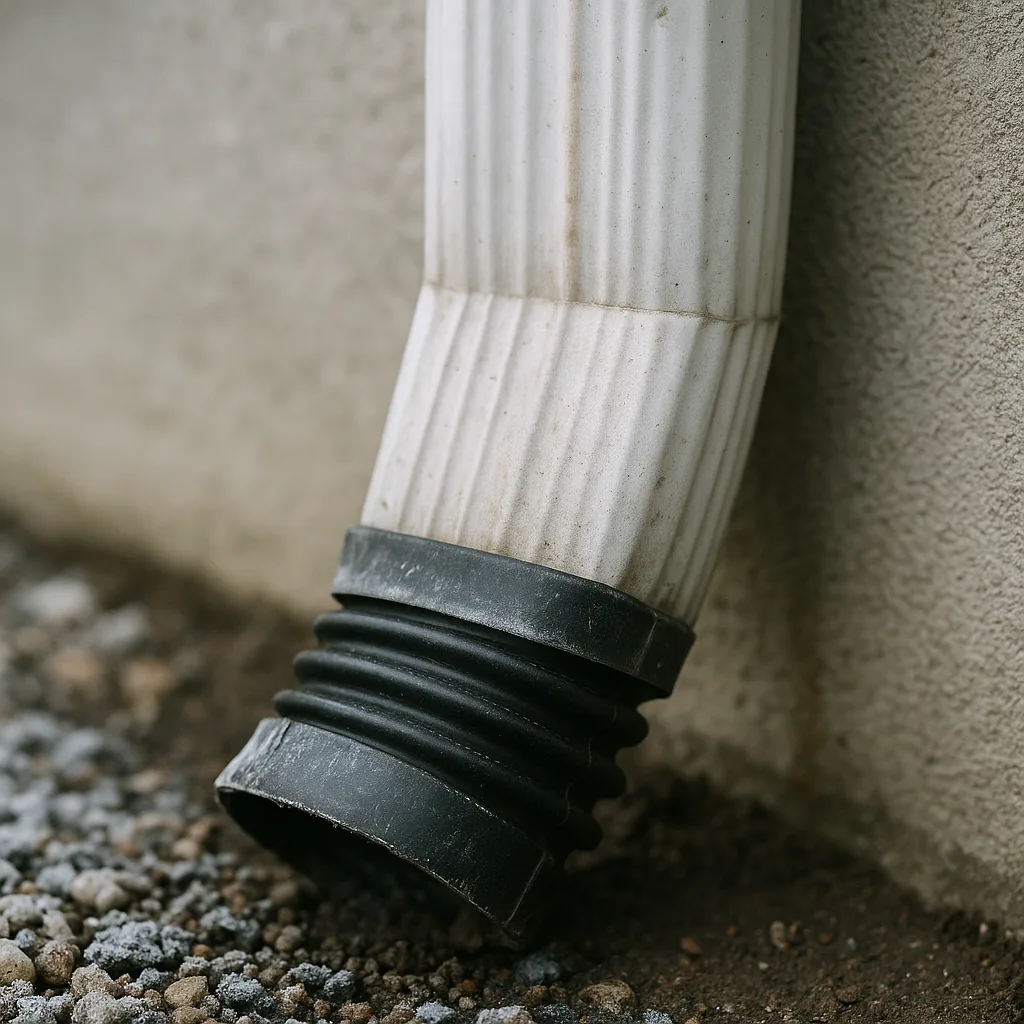
- Grading and water. Soil that slopes toward the house, downspouts that dump at the foundation, and any sign of past water in the basement. Regrading and extending downspouts is cheap insurance against a scary sounding report.
- Roof, soffit and fascia. Buyers fear the roof because it is expensive. Missing shingles or damaged soffit invite lowball worry even when the roof has years left.
- Furnace and hot water tank. Have them serviced and keep the receipt. A clean, documented mechanical room calms a buyer down.
- Poly-B, Kitec, and aluminum wiring. Certain Calgary era homes have these. You do not always have to replace them, but knowing what you have, and being ready to talk about it, keeps a surprise from killing the deal.
Where I would not overspend
Big renovations rarely return what they cost at sale, and taste is personal. A full kitchen or bathroom remodel done for a sale usually loses money and risks being the wrong style for the buyer. Skip the major reno. The exception is a genuinely broken or unsafe item, which is a repair, not an upgrade.
Consider a pre-list inspection
For some homes it is worth paying for your own inspection before listing. You learn what a buyer will learn, on your schedule, and you decide what to fix and what to simply disclose. It takes the ambush out of the process. It is not right for every home, and I will tell you honestly whether yours is a candidate.
The short version
Clean, paint, and fix the small stuff. Get ahead of grading, roof, and mechanicals. Know your home's era issues. Skip the big renovation. The best prepared sellers are not the ones who spent the most. They are the ones who spent in the right places and had no surprises.
Thinking of selling this year? I will walk your home with an inspector's eye and give you a straight, prioritized list, the things worth doing and the things that are fine to leave.