The mistake I see most often is sellers who have never heard of a Real Property Report. Neither have their buyers. By the time it comes up, it's often the only thing standing between them and a closing date.
In Alberta, when you sell a house, the buyer's lender usually wants a current Real Property Report with the City's compliance stamp on it. Not a condo. Not always a townhouse. But most detached homes, yes. It is a survey that shows where your house, fence, deck and shed actually sit on the lot, compared to where the property line legally is.
Most sellers assume this is something their lawyer sorts out at the last minute. It is not. It takes time, and time is the one thing you never have enough of in a closing.
How this usually plays out
Many sellers bought their house years ago and still have the RPR from back then, tucked in a folder with the furnace manual and the old mortgage papers. It looks fine at a glance. It is not always fine to the lender.
A deck gets built a couple of years after moving in, and the old RPR does not show it. That means the lender treats the report as out of date, and a new survey and a fresh compliance letter from the City are needed before closing.
Costs vary by lot and surveyor. Ask for a quote before you list, since how backed up they are can add days to your timeline. In late August, with everyone trying to close before school starts, backed up is the normal state. It can take a few weeks to get someone out to measure the lot.
Making the deadline often comes down to knowing a surveyor who can squeeze in an extra job. Not every deal gets that kind of luck.
Why this catches people off guard
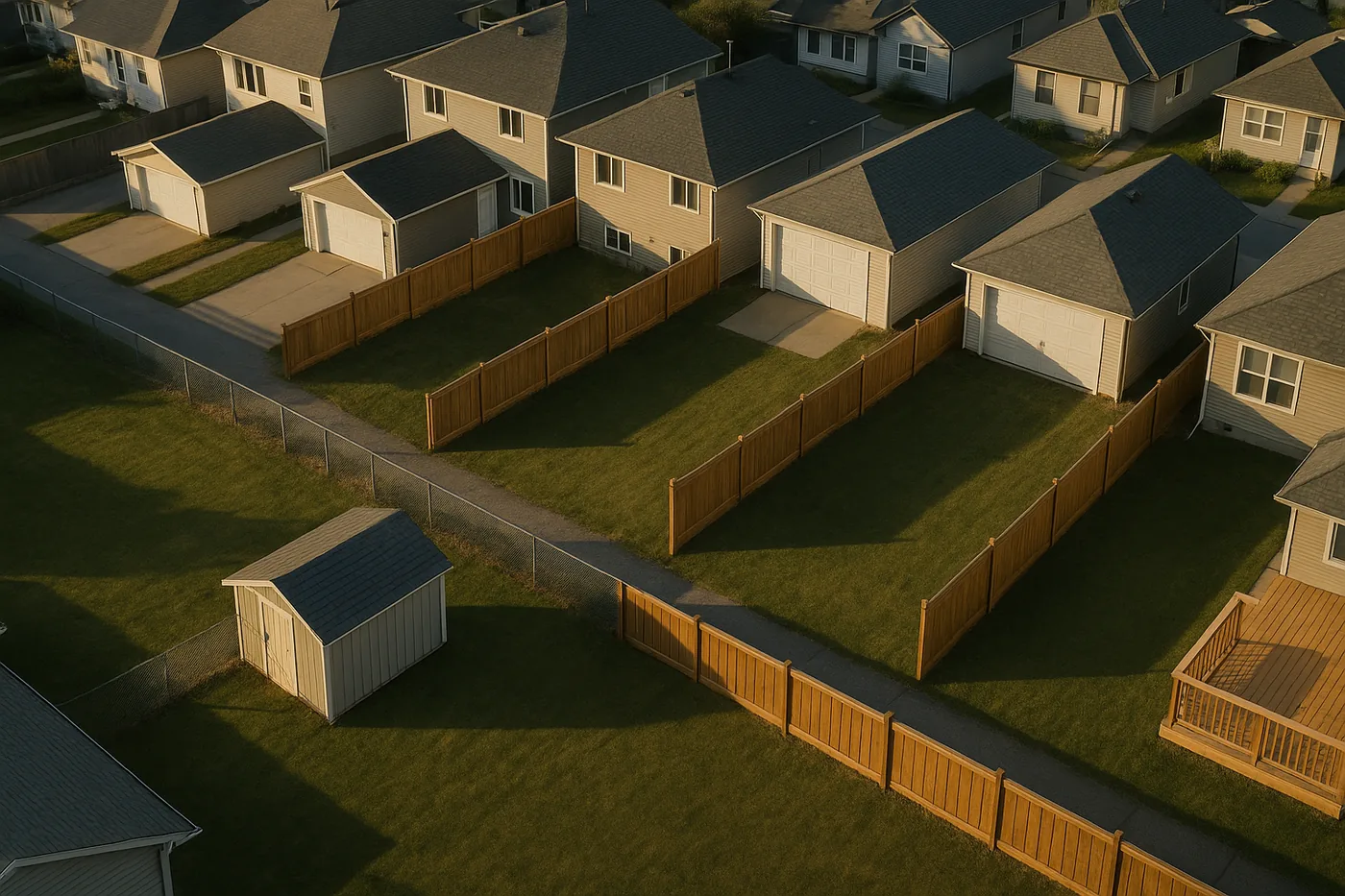
An RPR feels like paperwork nobody explains until you need it, because for most of the time you own your house, you never do. It sits in a drawer. Then you list, and suddenly it matters a lot.
A few things that trip people up:
- Any structure built after the RPR was done, a deck, a larger shed, a fence moved, can make the old report invalid.
- Fences in Calgary are notorious for sitting slightly off the real property line. This shows up across older inner-city neighborhoods and newer builds alike. Nobody built it wrong on purpose. Lot lines just do not always match what the old chain-link fence suggests.
- If a survey shows an encroachment, like a shed sitting partly over the property line, the buyer's lawyer may ask for an encroachment agreement before they will close. That is another document, another signature, another few days.
- Getting the City's compliance stamp added after a new survey can add more time on its own, separate from the survey itself.
What I tell sellers now
If you are thinking about listing this fall, dig out your RPR before you call me, not after. Check the date on it against anything you have built or changed since. A new deck, a hot tub pad, a fence you moved when you redid the yard, any of it can make an old report stop being good enough.
If you cannot find it at all, or you know it is old, get ahead of it. Call a surveyor before you have an accepted offer, not after. It is one of those costs nobody budgets for when they think about selling, right alongside the lawyer's fee and the moving truck. Better to know the number and the timeline now than to be negotiating your closing date around it with a nervous buyer on the other end.
I am not a surveyor and I do not review these reports for accuracy, that is between you, your lawyer and the person who measured your lot. What I can do is tell you which surveyors around Calgary tend to turn things around fastest this time of year, and help you build a realistic timeline before we ever put a sign in your yard.
If you are getting ready to list, or you just found an RPR in a drawer and are not sure if it still holds up, call me. I am Rich Baldy with CIR Realty, and I would rather walk you through this now than scramble through it in September.