You are scrolling listings and you hit one with a line buried in the remarks: sold as is, where is. Your stomach does a little drop. What is wrong with this house that they need a legal disclaimer?
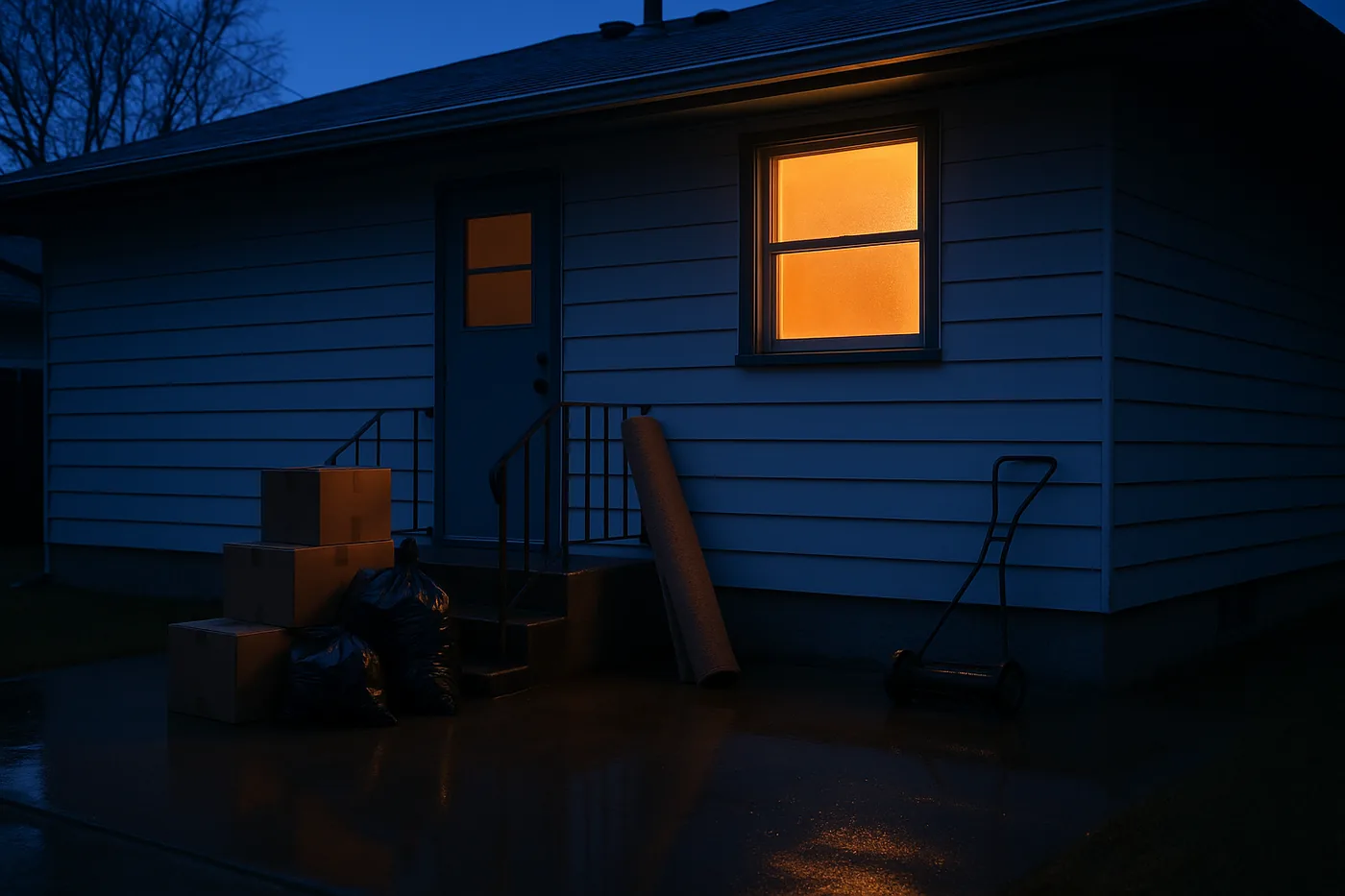
Usually, not much more than any other house its age. The phrase gets more suspicion than it deserves, and it also gets less caution than it deserves, from different buyers, for different reasons. Let me untangle it.
What it actually means
As is, where is means the seller will not fix anything, credit anything, or negotiate the price down after an inspection turns something up. You are buying the house exactly as it sits, with all its problems, known or unknown. That is the whole clause. It is a legal position, not a confession.
It does not remove your right to have the home inspected. You can still make your offer conditional on a satisfactory inspection. You just cannot use that inspection to ask the seller for money or repairs afterward. If you do not like what you find, your option is to walk, not to negotiate.
Who actually uses this clause
In my experience it shows up most often with estate sales, where the family selling never lived in the house and has no idea what is behind the walls. It shows up with rental properties, where a landlord is done managing tenants and wants a clean exit. And it shows up sometimes with older character homes, where the seller knows the wiring or the plumbing is original and would rather set the price accordingly than argue about it room by room.
What it is not, most of the time, is a sign of hidden disaster. Most as-is homes I've seen listed are simply tired. Original furnace, aging shingles, maybe some knob and tube wiring behind one wall, cosmetic neglect from a place that had not been lived in for a while. Nothing that should scare a buyer off a fairly priced home. The key word there is fairly priced.
The two mistakes I see
One kind of buyer sees as-is and assumes the house is a bargain simply because the clause exists. That is backwards. As-is tells you the seller will not negotiate on condition. It says nothing about whether the price already accounts for that.
The other kind of buyer sees as-is and gets spooked into skipping their own due diligence, figuring there is no point since nothing can be fixed anyway. That is worse. You still need to know what you are walking into, even if you cannot ask for a discount afterward. The inspection is not for leverage in this case. It is for you to decide, with real information, whether to close at all.
How to actually negotiate it
Since you cannot renegotiate after the fact, do your homework before you write the offer. Have a licensed inspector look at the property, or at minimum walk it with someone who can flag obvious red flags, before your offer goes in if the timeline allows it. Get a rough sense of what an aging furnace, an old roof, or outdated wiring would cost to replace, and build that into the number you offer, not into a request you make after the fact.
If the seller wants a fast, clean close and you want a fair price, the negotiation happens up front, in the offer price itself, not in a repair request later. That is really the whole difference between a normal deal and an as-is one. The timing of when the money gets discussed moves earlier. The house is the same either way.
Fall is a season where you tend to see more of these listings turn up, as estates and landlords who sat on a decision over the summer finally move on it. If you come across one, I am happy to pull what similar homes have sold for and talk through whether the asking price lines up with the market. For the condition itself, that call belongs to a licensed inspector, and I can point you toward one I trust to give you the real picture before you commit. Rich Baldy, CIR Realty.