Every fall I hear some version of the same daydream. A place at the lake. A cabin in the mountains. Somewhere to escape Calgary on a Friday afternoon. Then October comes, the taps need draining and the daydream gets a little more complicated.
Here is my honest take after years of watching people buy these places: distance matters more than the view. A property an hour up the highway gets used most weekends. A property three hours away gets used a handful of times a year and then it sits there, costing you money whether anyone is standing in it or not.
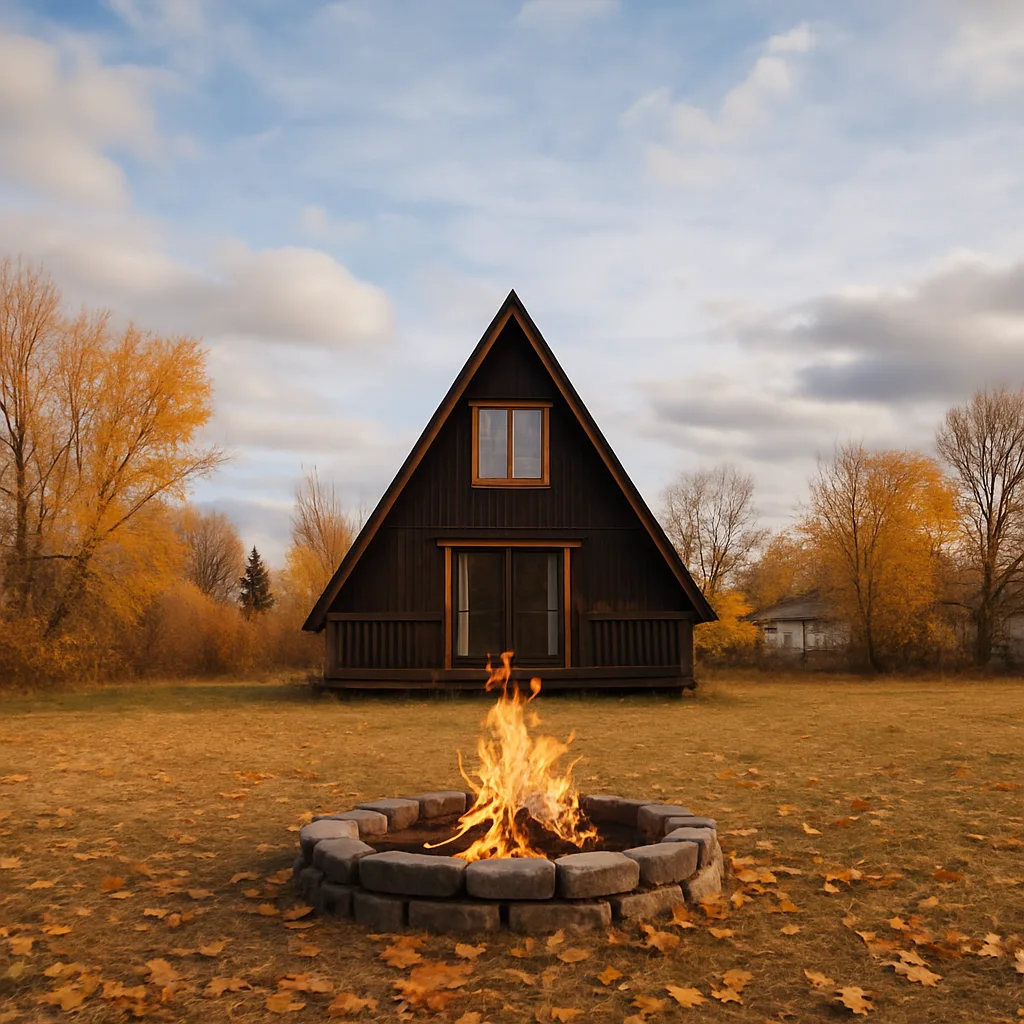
Most buyers skip this math before they shop
Say the place is near Sylvan Lake or Canmore, close enough that leaving after work on Friday still gets you there for dinner. You will use that place. Kids will nag you to go. It becomes part of the rhythm of your year.
Now say it is Invermere, or further. Beautiful, no argument there. But it is a half day round trip once you count the pass, the border of the time zone, and the stop for gas. People buy these places picturing every second weekend of the summer. What actually happens is a handful of trips a year, most of them longer stays because the drive is not worth doing for two nights.
Do that math honestly before you shop. Divide the purchase price and the yearly carrying costs by the number of weekends you will genuinely use it, not the number you are imagining on a July afternoon. The number that comes out the other side is usually a surprise.
What a second home actually costs you every year
The purchase price is the easy part to picture. The ongoing costs are the part buyers underestimate.
- Property tax on a recreational property, which does not care that you only live there part time.
- Insurance that runs higher than a primary residence, because insurers know an empty building is a bigger risk.
- Winterizing the plumbing every fall so pipes do not split when nobody is there to notice a leak. This is not optional in most of these communities. It is a job for a professional, every single year, and it costs real money.
- Association or lot fees if the property sits in a lake community or a bare land condo, which many of these do.
- A mortgage that likely needs a bigger down payment than your primary home did, because lenders treat second homes as a different kind of risk.
None of this means do not buy. It means go in with the real number, not the vacation-brochure number.
Closer beats bigger, almost every time
The pattern I see most often is buyers stretching for the property with the better view or the extra bedroom, when the smarter move was staying closer to Calgary. A modest place you can reach in an hour gets more life out of it than a spectacular one you can only reach a few times a summer. The mountains are not going anywhere. Your Friday afternoons are the scarce resource, not the real estate.
If you are weighing Sylvan Lake against Invermere against Canmore, the honest question is not which one is prettier. It is which one you will actually drive to on a random Tuesday when you decide, at four in the afternoon, that you want to be somewhere else by dark. Be honest about that answer. It will save you more money than any negotiation on the purchase price.
Financing a second home is its own conversation
Lenders look at a recreational property differently than your primary residence. The down payment requirements are usually higher, and not every property qualifies for the same mortgage products, especially if it is seasonal or off a municipal water system. This is worth a conversation with a mortgage broker before you fall for a listing, not after.
If a second home is somewhere on your horizon, whether that is next year or five years out, I am happy to talk through what the numbers actually look like for the communities you have in mind, and pull what comparable properties have sold for so you are working from real figures instead of a daydream. I am Rich Baldy with CIR Realty, and that conversation costs you nothing but a coffee.