Every fall, renewal letters land in mailboxes across Calgary. Most people open theirs, wince at the new number, pay it, and move on. Nobody budgets for the increase because nobody tells them it is coming. I want to talk about that letter, because it changes what a home actually costs you every month, and I do not think enough buyers or sellers price that in.
Why premiums have been climbing
Calgary has a rough relationship with hail. Insurers know this. A city that gets hit hard every few summers ends up with higher premiums city-wide, not just on the roofs that got damaged. Add in older housing stock with aging plumbing and electrical, and insurers price the risk into every renewal, whether your particular house has a claim history or not.
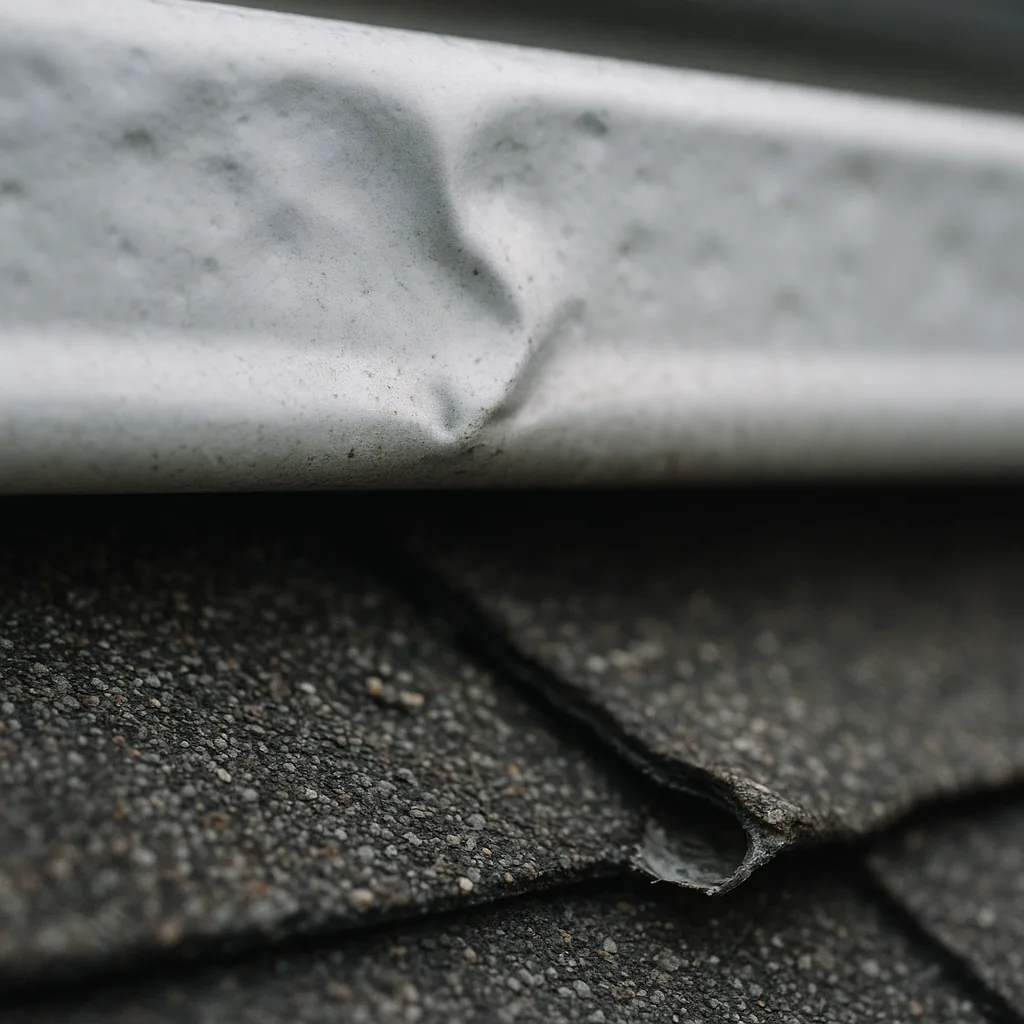
Older Calgary homes often carry the same physical story underneath the finishes. Old cast iron stacks. Poly-B lines from the eighties and nineties. Panels that had not been touched since the house was built. Insurers see the paperwork side of the same thing. A home with an aging roof or older plumbing often costs more to insure, sometimes a lot more, and sometimes an insurer will simply decline to write a policy until the roof or the plumbing gets addressed.
Why this matters for affordability, not just admin
Buyers do the mortgage math carefully. Rate, term, amortization, monthly payment. Fair enough, that is the biggest number. But insurance is a fixed monthly cost sitting right next to it, and it is not fixed at all. It moves. A home with a newer roof and updated plumbing might insure for meaningfully less than a similar home two streets over with original everything from the seventies.
I am reluctant to put a dollar figure on that gap, because it depends on the insurer, the claims history of the area, and the specific home. But the direction is consistent. Older mechanical systems and roofs cost more to insure, and that cost lands every single month, the same way a rate hike does.
If you are stretching to qualify for a place, that insurance premium is part of the stretch. It belongs in the same conversation as the mortgage stress test, not as an afterthought you deal with after possession day.
What this means if you are selling
A buyer's lender will want proof of insurance before closing. If a buyer calls a few insurers and gets declines or high quotes because of an old roof or old plumbing, that deal can wobble at the worst possible time, right before closing, when everyone thought it was done.
Sellers with an older roof or original plumbing sometimes get ahead of this by having the work done before listing, or at minimum finding out roughly what it would cost so they can speak to it honestly with a buyer. That is a conversation worth having with your own inspector and your own insurance broker well before you list, not a surprise for someone else to find at the worst moment.
What I tell people to actually do
Get an insurance quote before you write an offer, not after. It takes a phone call or two. If a home is hard to insure or expensive to insure, that is real information, the same as a comparable sale price or a condo fee. It should shape your offer, not blindside you at the finish line.
For context on the scale of what is at stake here: CREB's August 2026 report put the total residential benchmark price in Calgary at 9,800. Insurance is a small monthly line next to a mortgage on a home that size, but small monthly lines add up over the years you own it, and they are one of the few costs you actually have some control over before you buy.
If you are weighing a purchase and want to talk through what the full carrying cost looks like, not just the mortgage payment, I am happy to sit down and work through it with you. I am Rich Baldy with CIR Realty, and that conversation costs you nothing but a coffee.