Every August I hear some version of the same sentence. "The bank approved us for this much, so that's our budget." I get why buyers think that way. A number from a bank feels official. It has letterhead. It feels like homework already done.
But a pre-approval isn't a budget. It's a ceiling, and it's a ceiling built by a stress test, not by your actual life.
What the stress test actually measures
Lenders in Canada have to qualify you at a rate higher than what you'll actually pay. That's the stress test. It protects the bank if rates climb later. It does not ask whether you still want to travel, whether you're planning kids, or whether your car is going to need replacing next year. It's a math exercise on your income and your debts. Nothing more.
So the number that comes back can be higher, sometimes a lot higher, than what feels comfortable once you're actually living in the house. It's common to see approvals that work on paper but feel tight once someone is actually living with the payment. The bank didn't do anything wrong. It just wasn't asked the right question.
The mistake I see most often
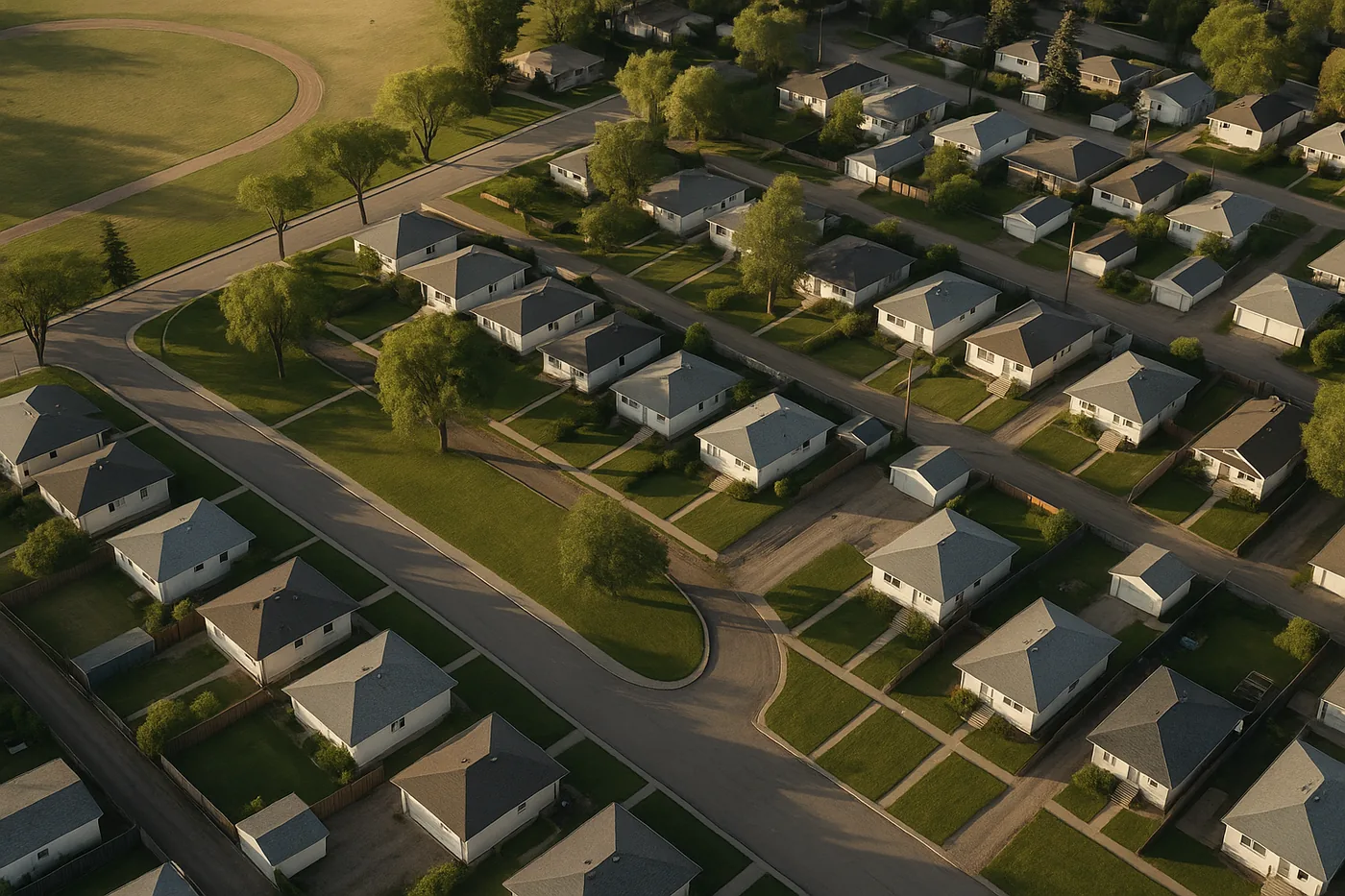
The mistake isn't getting pre-approved. That part is smart. The mistake is walking into a search treating the top of that number as the target instead of the outer limit. Buyers start touring homes at the ceiling, fall for one, and then back into justifying the payment instead of the other way around.
A better order of operations: figure out what you're comfortable paying every month, first, before you look at a single listing. Then get pre-approved to confirm you qualify for that, or something above it. Not the reverse.
What comfortable actually means
Comfortable is different for everyone, but here's a rough way to test it. Take the monthly payment a lender is offering you at the top end. Ask yourself honestly: could you still put money into savings every month at that number? Could you cover a slow month at work, a surprise vet bill, a new furnace, without touching a line of credit? If the answer is no, that number isn't your budget. It's just what the bank will let you borrow.
CREB's August 2026 report put the total residential benchmark price in Calgary at 9,800. That's a useful anchor, not a target. Some buyers will be comfortable well above that. Some will be stretched by it. The number itself doesn't tell you which one you are. Only your own monthly reality does.
Where this bites hardest right now
Late summer brings a specific kind of buyer: families trying to land somewhere before school starts, people relocating for a new job, first-time buyers who've been saving and are ready to move. All of them are under a bit of time pressure, and time pressure is exactly when the pre-approval ceiling starts looking like a finish line instead of a limit. I'd rather see a buyer land in a home a little under their ceiling and sleep fine at night than max out and spend the next few years feeling it every month.
What I'd actually do differently
- Sit down with your real monthly numbers before you get pre-approved, not after.
- Treat the bank's number as the top of a range, not the number to search at.
- Ask your mortgage broker to show you the payment at a couple of different rate scenarios, not just today's rate.
- Leave room for property tax, condo fees if it applies, and insurance. Those aren't optional add-ons, they're part of the real monthly number.
None of this is me telling you what your budget should be. That's between you, your household, and a mortgage broker who can run your actual numbers. What I can do is help you figure out what homes in your comfortable range actually look like right now, and pull what similar homes have sold for so you're not guessing. If you're starting a search and want to talk through where that comfortable number really sits, I'm happy to walk through it with you. I'm Rich Baldy with CIR Realty, and that conversation costs you nothing but a bit of time.