Hillhurst is one of Calgary's older inner-city communities, built on ground that was low and wet before development came through. That is not a knock on the place. It is just the ground it sits on, and ground matters more than most buyers think when they are standing in a kitchen looking at a nice light fixture instead of down at the foundation.
Where it actually sits
Hillhurst is a tight, well-defined pocket: 8 Ave NW to the north, 10 St NW to the east, the Bow River to the south, and 18 St NW to the west. That is the whole boundary. It shares a community association with Sunnyside next door, and people who do not live there tend to lump the two together, along with the Kensington Business Revitalization Zone that runs along its edge. If you are house hunting here, learn the four boundary lines above and you will know instantly when a listing agent is stretching the map to borrow some Kensington shine for a property that is not actually in it.
The catch
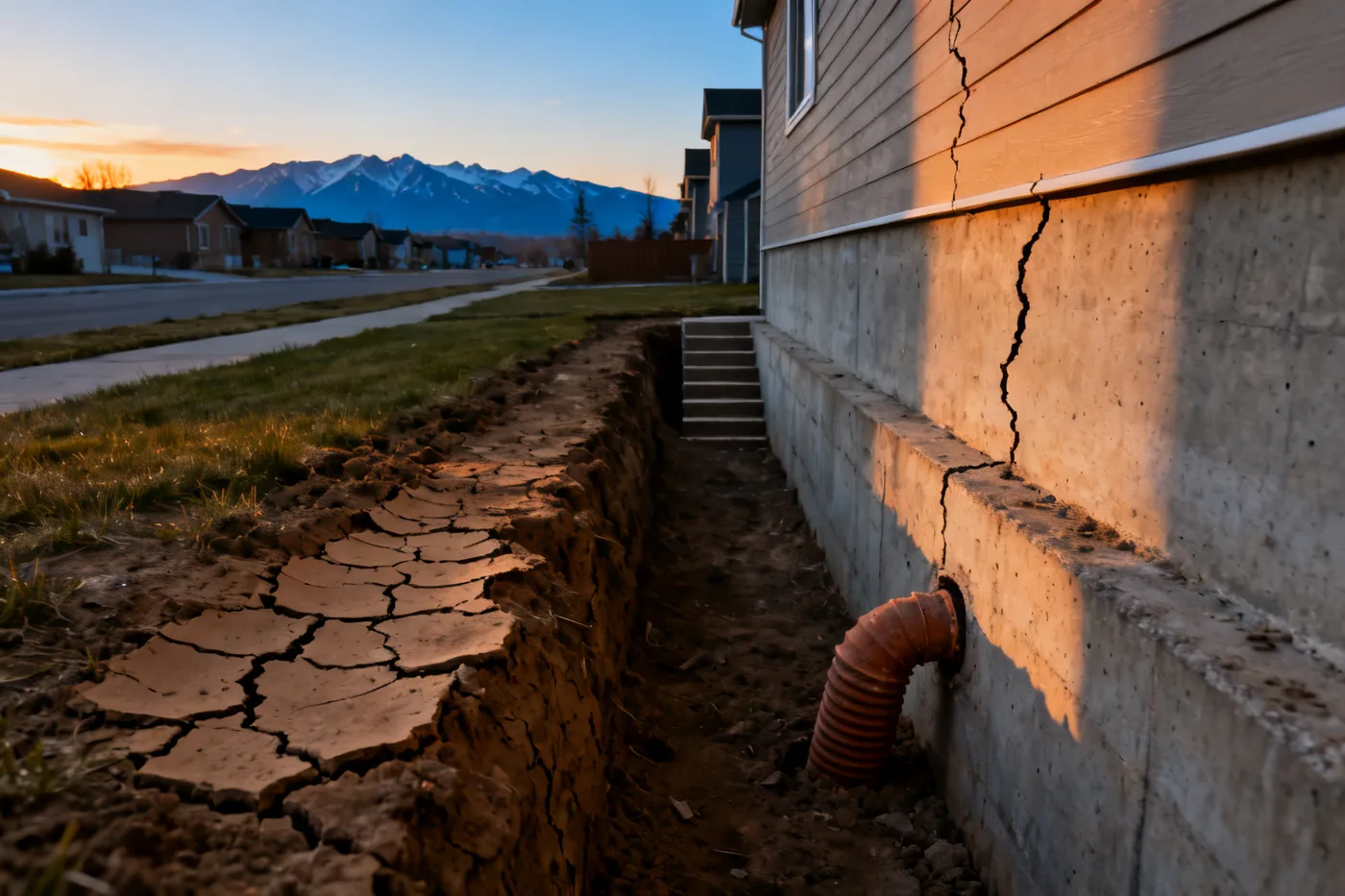
The catch is the ground itself, and it is a Calgary-wide problem that shows up harder in older, low-lying pockets like this one. Clay soil moves. It swells when it is wet and shrinks when it dries, and a community with a slough in its history had more wet ground to start with than most. Older, lower-lying inner-city lots tend to see more foundation cracking than newer subdivisions built on graded, engineered lots. That does not mean every Hillhurst basement has a problem. It means the ground has a longer memory than the paint job, and a buyer here should have a proper home inspection done by someone who knows what a hairline crack means versus what a stepped one means. It is the right inspector's job, every time.
What the housing stock actually is
An older inner-city community like this has a mix that most newer neighbourhoods do not: original character homes built long before anyone thought about vapour barriers, sitting beside infill built in the last decade with none of those problems and a much smaller yard. The old stock tends to need the same things at the same time: knob and tube wiring long since flagged by an insurer, original clay drain tile that has had decades to crack, undersized electrical panels, and a basement that was never meant to be a bedroom but is being sold as one anyway. None of that makes the house a bad buy. It makes it a house where the inspection report is not a formality, it is the real purchase decision.
The trade you are making
What you are buying in Hillhurst is a short walk to Kensington's shops and cafes, river access, and a genuinely small, walkable footprint. What you are giving up is quiet. A community that borders a business revitalization zone gets the foot traffic, the parking competition, and the noise that comes with being useful to a lot of people who do not live there. You are also usually giving up a big modern garage and a driveway wide enough for two vehicles without a negotiation. If you want new construction efficiency and a two-car attached garage, this is not your community. If you want to walk to dinner and don't mind an older furnace and a smaller lot, it might be exactly right.
Who should skip it
Skip Hillhurst if you want turnkey and low-maintenance. Skip it if evening quiet matters more to you than a five-minute walk to a coffee shop. Skip it if you are not prepared to budget for an aging house on aging ground, because that bill comes due eventually and it rarely comes due small.
CREB's August 2026 numbers put the city's overall residential benchmark at 9,800 and the apartment condominium benchmark at 5,400, and Hillhurst's mix of older houses and newer condo infill means you will see both ends of that range on the same block. What any specific property there is actually worth depends on the lot, the age of the mechanicals, and whether the last owner dealt with the foundation or just painted over it.
If you are looking at something in Hillhurst or Sunnyside, I am happy to pull what similar homes have actually sold for and talk through what you are trading for that walk to Kensington. I will also point you to an inspector I trust before you go firm on anything built before this century.
Richard Baldy, REALTOR, CIR Realty