Most Calgary communities are priced on the house. Parkdale is priced on what is around it.
It sits in the northwest with the Bow River on its south side. The Foothills Medical Centre, the Alberta Children's Hospital and the University of Calgary are all close by. For anyone who works at one of those three, Parkdale turns a commute into a short trip, and that is worth a great deal of money to the people who are paying it.
Where it sits
The boundary is clean: the Bow River to the south, 28 St NW to the east, Shaganappi Trail NW to the west and 16 Ave to the north. Those four are the whole of it.
The land was annexed in 1910, and the community was established in 1948. A handful of upscale homes for professionals went up between 1911 and 1913. The bulk of Parkdale came later, from the 1950s onward: bungalows, and storey-and-a-half wartime housing models built by Nu-West Homes Ltd.
The catch is the river
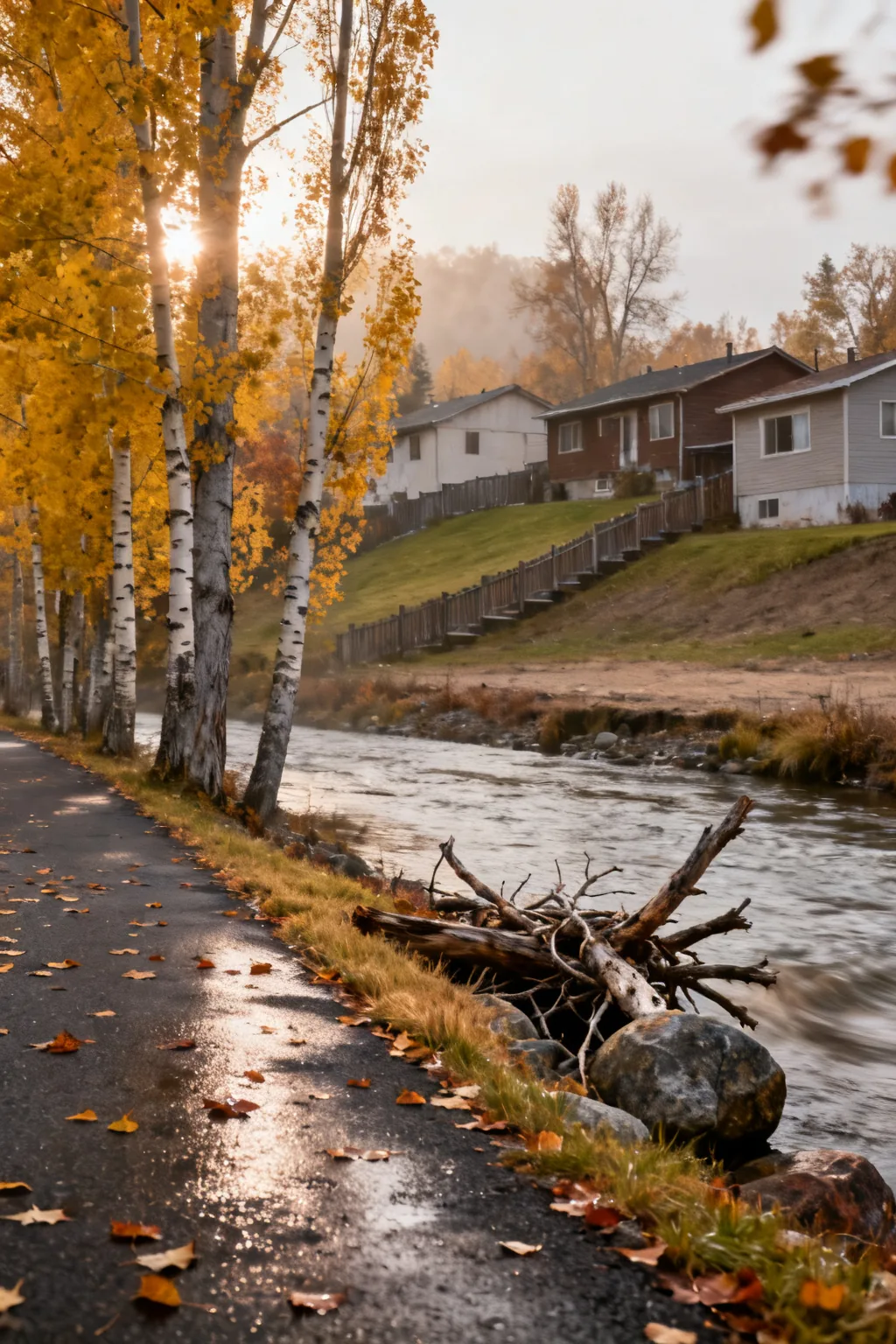
The Bow is the reason people want Parkdale, and it is also the first thing I would want a buyer to think hard about. The 2013 flood reached the river pathway here. That does not mean every house is at risk. It does mean the river is part of the purchase.
Before you write an offer on a home near the south edge, look it up on the City of Calgary's flood maps. Then call your insurer before you firm up, not after. Ask what overland flood coverage costs on that specific address. The answer can change your monthly budget more than the interest rate does, and it is a phone call you can make in an afternoon.
The second catch sits on the other edge. 16 Ave is a busy road, and the hospitals and the university bring traffic and parking pressure with them. A quiet street in Parkdale and a street that fills up with visitors' cars during the work day can sit a few blocks apart.
What the housing stock is
The wartime storey-and-a-half models were built quickly and simply, and they are honest about it. They also come with a predictable list:
- The upper floor. A storey-and-a-half puts living space under the roof. That makes insulation and ventilation in the sloped ceilings harder to get right, and it is where you feel the cold first.
- Foundations and grading. Calgary clay moves. A house near a river on older foundations deserves a careful look at the basement walls and at where the water goes when it rains.
- Wiring and plumbing. Original systems from that era have often been updated in pieces. Pieces are fine. Knowing which pieces is the point.
- The sewer line. On any home this age, a camera scope is cheap insurance.
The bungalows from the 1950s share most of that list, minus the attic rooms. And many lots here have already been redeveloped, so you will see new infill beside original homes on the same street.
Who should not buy here
If no one in your household works or studies at the hospitals or the university, ask yourself what you are paying for. You may love the river and the pathway. That is a fine reason. But a big part of the price here is proximity to those employers, and if you do not use it, you are paying for someone else's commute.
If you need certainty about water, a home near the river will always carry a question that a home up the hill does not.
The trade you are making
In Parkdale you trade money for time. You pay more for a modest house than you would further out, and you get back the hours other people spend driving across the city to the same building you walk to. For a nurse on shifts or a family with a child in and out of the children's hospital, that trade can be worth every dollar.
Do the flood map, make the insurance call, and have a good licensed inspector go through the house with the list above in mind.
If Parkdale is on your list, I am glad to talk it through and pull what comparable homes there have sold for. I am Rich Baldy with CIR Realty.