Ask a Calgary buyer to name an inner city northeast community and you will get Bridgeland almost every time. Maybe Crescent Heights if they are feeling adventurous. Renfrew sits right between the two, same hill, same proximity to downtown, and it barely comes up. I have never had a good answer for why.
Geographically it makes no sense. Renfrew runs along the high ground north of Bridgeland, east of Crescent Heights, with the Renfrew Athletic Park and the community rink anchoring the middle of it. Edmonton Trail forms one edge. From most streets you can see downtown over the rooftops. The drive in is short, the kind of short where you stop thinking about it as a commute at all. Coming home at the end of the day feels less like driving and more like arriving.
Older housing, and what that actually means
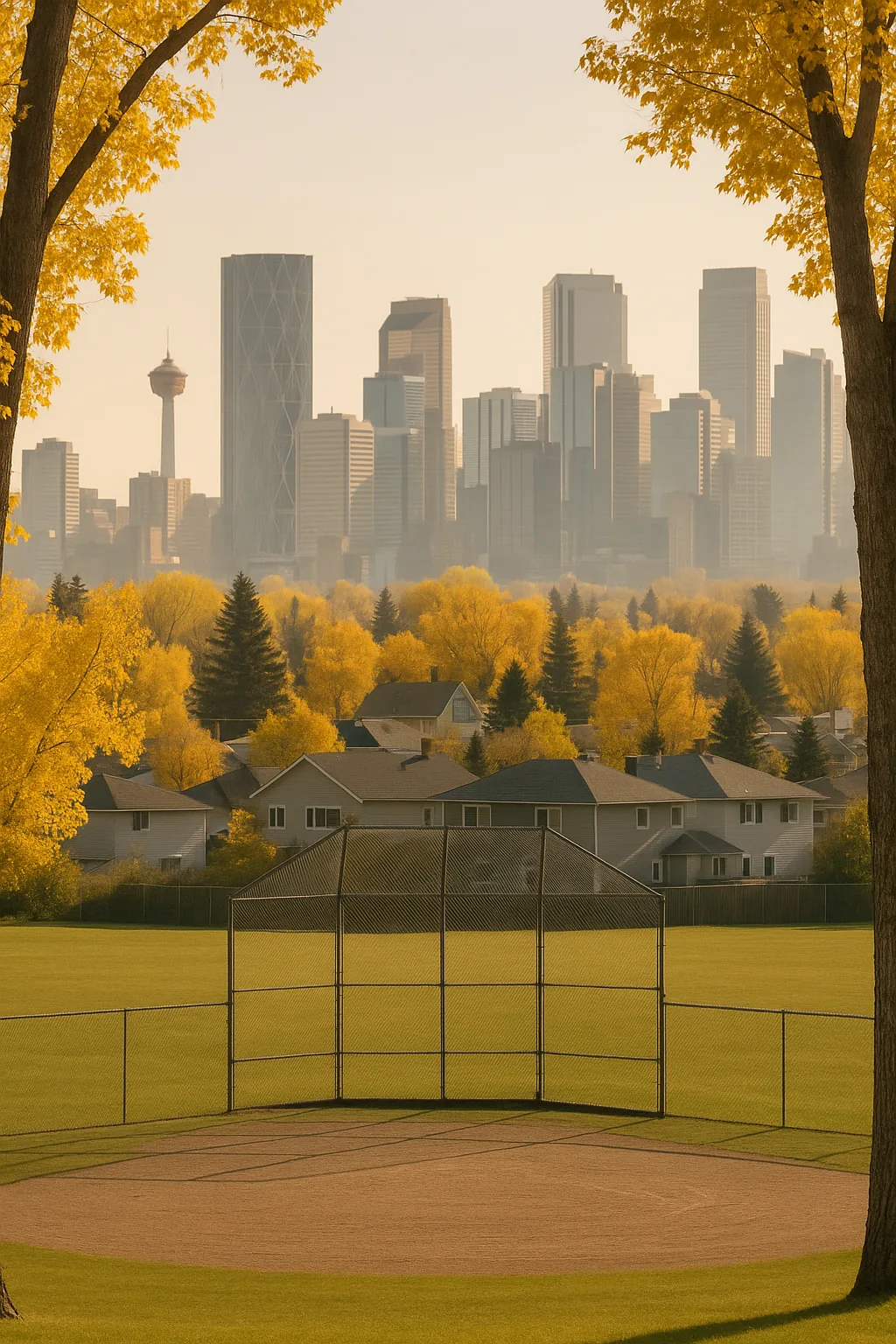
The bones of Renfrew are 1950s and 60s, same era as a lot of the inner city communities everyone assumes are pricier. You will find original bungalows sitting next to infill that went up in the last several years, sometimes on the same block. That mix is normal for Calgary's inner ring right now. Redevelopment moves lot by lot, not street by street.
The older stock brings the usual inner city questions. Clay soil under a lot of these neighbourhoods means foundations shift over the decades, showing up as hairline cracks that are cosmetic, and the rarer ones that are not. Some of these homes still have older plumbing or electrical that needs a look before you get comfortable. None of that is a reason to avoid Renfrew. It is a reason to have a licensed inspector go through any older home carefully, whether it is here, in Bridgeland, or anywhere else in the inner city. Hire someone whose whole job is finding what is wrong.
Why the price gap exists, and what I think of it
My sense, from watching listings move through this pocket of the city, is that Renfrew tends to sit a step below Bridgeland on price for a similar sized lot and similar age of home. Part of that is Bridgeland's restaurant strip and the marketing that comes with it. Part of it is simply that Renfrew has never had anyone selling the story. There is no Bridgeland-style main street here, no cluster of patios drawing people up the hill just to look around. What Renfrew has instead is the ball diamonds, a genuinely active community association, and streets that feel more residential and less like a destination.
I think that makes it a better buy for someone who wants the inner city location without paying for the atmosphere they will not use every day. I will admit the flip side: if walkable restaurants and that neighbourhood energy matter to how you actually live, Renfrew will feel quieter than you want, and no amount of proximity makes up for that. Know which buyer you are before you fall for the price difference.
What I would actually check before writing an offer
- How the specific lot has been treated over the decades. Some blocks in Renfrew have had more redevelopment and reinforcement work than others.
- Whether the home has had any foundation work done, and if so, ask for the paperwork rather than taking someone's word for it.
- What comparable homes on nearby streets have actually sold for recently, not what is currently listed. Listed and sold are two different numbers.
- Your realistic commute pattern, not the best-case drive time. A five minute difference across a few years adds up in ways people underestimate.
CREB's August 2026 report put the total residential benchmark price across Calgary at 9,800, which gives you a rough sense of where the broader market sits. Renfrew specific numbers move with the individual streets more than that citywide figure can capture, which is exactly why a benchmark price is a starting point and not an answer.
If Renfrew is on your list, or you are trying to figure out whether it should be, I am happy to pull what has actually sold on those streets and talk through what the numbers are telling you. I'm Rich Baldy with CIR Realty, and that conversation costs you nothing to start.