Before I sold homes, I inspected them. That background changes how I walk through a house. While most people are looking at the kitchen and the paint colours, I am looking at the roof, the grading, and where the water goes. Pretty is easy to fix. The expensive problems are usually the ones nobody points out.
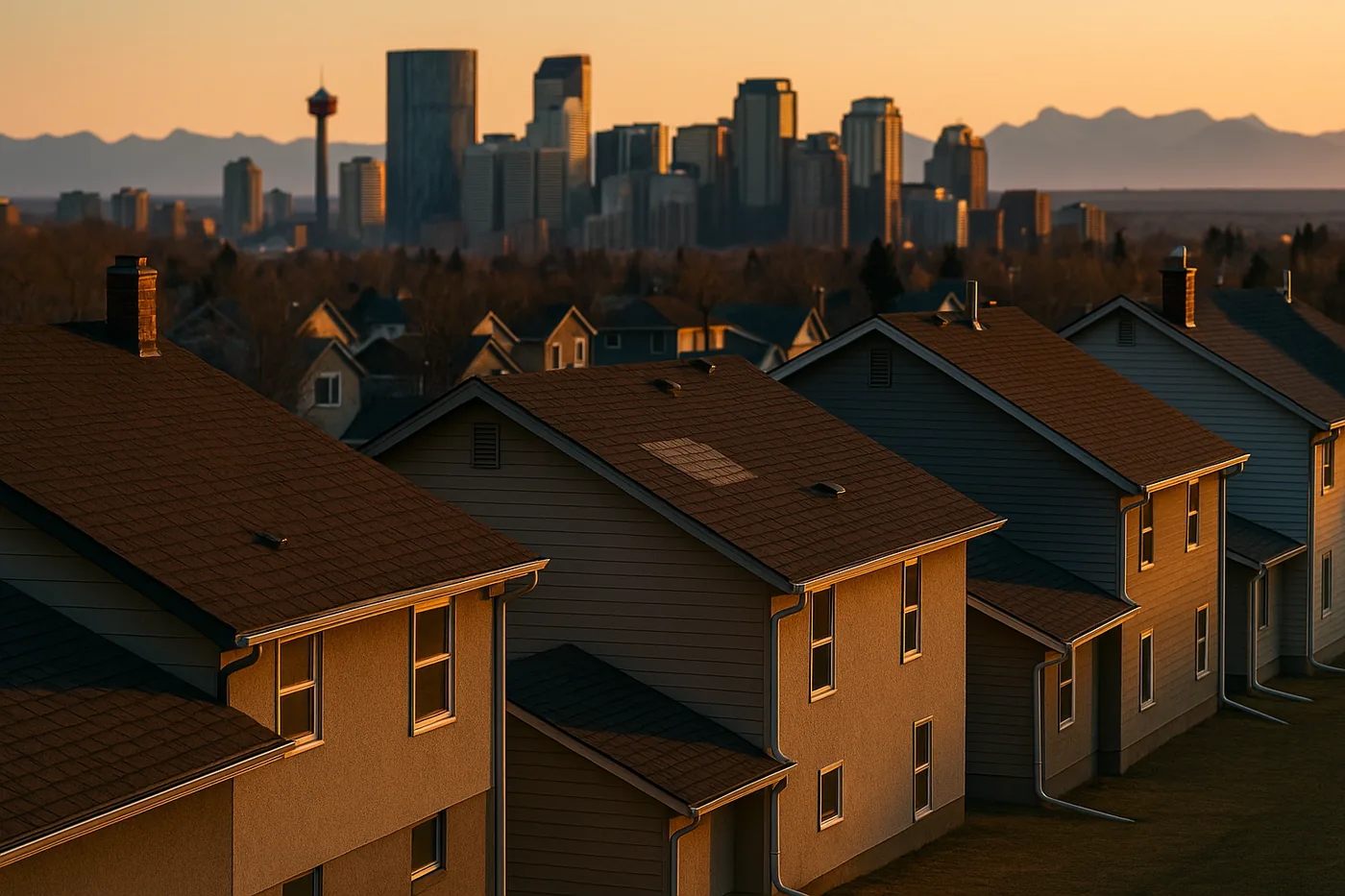
Here is what I pay attention to first when I walk a Calgary home with a buyer. None of this replaces a proper inspection by a licensed inspector. Think of it as knowing what questions to ask before you fall in love with a place.
1. The roof and the grading
Two of the biggest-ticket items on any house are the roof and the way the ground slopes around it. In Calgary we get hail, heavy spring melt, and the occasional intense summer storm, so roofs work hard here. I look at the age and condition of the shingles, any patching, and whether the roofline sags anywhere.
Then I look down. The ground should slope away from the foundation on every side. When it slopes toward the house, water pools against the foundation, and that is how basements get wet. It is one of the cheapest things to check and one of the most expensive to ignore.
What an inspector looks at first
2. Where the water goes
Follow the water and you find the truth about a house. I check the downspouts (do they carry water well away from the foundation, or dump it right beside it), the sump pump if there is one, and any signs of past water in the basement: staining on the walls, a fresh coat of paint only along the bottom, or that particular musty smell.
A little efflorescence on old concrete is common. Active water is a different conversation.
3. The furnace and the age of the systems
Calgary winters are not the place to inherit a dying furnace. I want to know the age of the furnace and hot water tank, when they were last serviced, and whether the home has any supplemental heat. A furnace near the end of its life is not a deal breaker, but it is a real number you should factor into your offer.
4. Two things specific to older Calgary homes
If you are looking at homes built in the late 1960s through the 1970s, two things are worth asking about:
- Aluminum wiring. Some homes from that era were wired with aluminum. It can be made safe, but it needs to be done properly and it matters for insurance. Ask.
- Poly-B plumbing. Grey plastic supply lines from roughly the late 1970s to the 1990s. Many are fine, some fail. Insurers care about it, so you should too.
Neither one means walk away. They mean walk in with your eyes open and price it in.
5. Windows, and what is cosmetic versus what is structural
Windows are comfort and cost. I check for failed seals (that foggy look between the panes) and drafts. In a Calgary winter, old windows show up on your heating bill fast.
More than anything, I try to help buyers separate cosmetic from structural. Dated kitchens, ugly carpet, and bad paint are cheap and easy, and they scare off other buyers, which can work in your favour. Foundation movement, a tired roof, and water problems are the ones that actually cost you. A home that shows badly but is sound is often the smart buy.
The bottom line
A good home does not have to be a perfect one. It has to be a sound one, priced for what it actually is. Get a licensed inspection every time. And if you want someone in your corner who has been on both sides of that clipboard, that is exactly the kind of buying I like to help with.